Educator of Mini Humans SVG: A Designer’s Real-World Embroidery Review
As someone who has spent years evaluating digital assets for physical production, I approach every new machine embroidery design with a mix of optimism and skepticism. The gap between a crisp vector preview on a screen and the final stitched reality on fabric is where most projects either shine or fail. Today, I am breaking down the Educator of Mini Humans SVG, a file categorized under Crafts and Graphics that promises to be a standout piece for Teacher’s Day and educational-themed merchandise. This review focuses strictly on practical application, visual impact, and commercial viability for small business owners, Etsy sellers, and serious hobbyists.
First Impressions and Visual Personality
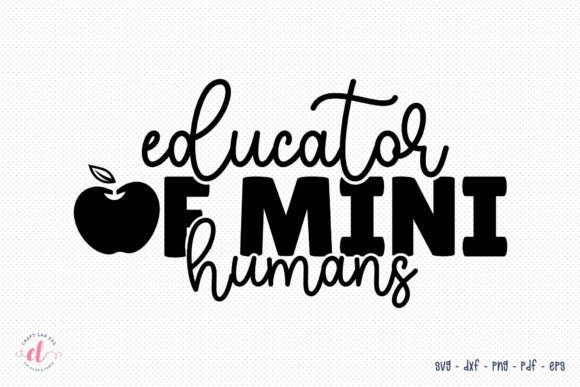
The moment you load the Educator of Mini Humans SVG into your digitizing software or mockup tool, the theme is immediately clear. It captures the chaotic, loving energy of a classroom. Unlike generic text-only quotes, this design leverages the "mini humans" concept to create an instant emotional connection. For an embroidery designer, the initial appeal lies in its balance. It avoids being overly cluttered while still offering enough visual interest to stand out on a rack of handmade goods.
The mood it creates is warm, humorous, and deeply relatable. It speaks directly to the identity of educators—their patience, their humor, and the sheer volume of tiny personalities they manage daily. From a branding perspective, this is gold. It allows a seller to tap into a specific niche audience without relying solely on broad holiday keywords. The layout feels structured yet playful, suggesting that the underlying digitization likely uses a mix of clean lines and softer fill areas. This duality is crucial because it ensures the design reads well from a distance (on a tote bag) and up close (on a baby onesie).
Real-World Application: Where Does It Shine?
In my experience, the success of a personalized gift often depends on the substrate. The Educator of Mini Humans SVG is versatile enough to work across several high-demand product categories, but some applications will yield better results than others.
- Custom Apparel and Sweatshirts: This is arguably the strongest use case. When placed on the chest of a crewneck sweatshirt or the back of a hoodie, the design benefits from the stability of heavier cotton blends. The contrast between the soft fabric texture and the defined stitches enhances the embroidery project’s perceived value. It looks professional, durable, and cozy—exactly what teachers want to wear during the cooler months of the school year.
- Tote Bag Design: Canvas totes are a staple for teacher supplies. Using this as a tote bag design works exceptionally well because the sturdy fabric can handle the stitch density without puckering. The design acts as both decoration and a subtle statement piece. It is highly shareable on social media, which is a key driver for Etsy sellers looking to boost engagement.
- Baby Embryoidery and Nursery Decor: There is a growing trend of passing down teaching traditions. Applying this to a baby blanket or a nursery pillow cover adds a sentimental layer. However, this requires careful attention to thread colors. Soft pastels or muted tones paired with this design can create a beautiful heirloom-quality item. It transforms a standard handmade product into a meaningful keepsake.
- Applique and Patch Variations: If you have access to applique techniques, this design could be adapted into an applique design. Imagine a felt background with embroidered outlines. This adds dimension and reduces the total stitch count, making it faster to produce for large orders. Alternatively, turning it into an embroidered patch allows for versatility, letting customers attach it to backpacks, caps, or jackets later.
Critical Considerations and Potential Pitfalls
No design is perfect, and understanding where a file might struggle is just as important as knowing where it succeeds. As a reviewer, I must highlight areas where caution is required when working with the Educator of Mini Humans SVG.
Fabric Texture and Stability: Avoid using this on highly textured fabrics like heavy bouclé or loose-weave linen unless you are using a strong cut-away stabilizer. The fine details in the "mini humans" figures may get lost in the weave. Similarly, stretchy knits require a firm backing to prevent distortion. If the hoop size is not adjusted correctly, the circular elements of the design may warp, ruining the symmetry.
Small Hoop Limitations: While the design is compact, cramming it into a very small hoop (under 4x4 inches) can compromise clarity. Tiny lettering or small facial features on the mini figures might become muddy if the stitch resolution is too low. Always inspect small details before running a full production batch. If the original file lacks sufficient detail in these areas, consider scaling it up slightly to ensure legibility.
Thread Color Contrast: The effectiveness of any embroidery file relies heavily on contrast. On dark fabric, light threads are essential to make the white space pop. Conversely, on light backgrounds, darker threads provide definition. I recommend testing this in black and white mockups first. This removes color bias and helps you evaluate the true shape and balance of the artwork. Poor contrast can make a great design look flat and unprofessional.
Dense Stitch Areas: Check the stitch density carefully. If the design has large blocks of solid fill, it may become stiff and uncomfortable against the skin, especially on baby items or shirts worn next to the body. Ensure there is adequate negative space or that the fill pattern is optimized for flexibility. For frequent washing, dense stitches can sometimes trap moisture or degrade faster if not properly finished.
Practical Tips for Embroidery Designers
To get the best results from the Educator of Mini Humans SVG, follow these workflow steps:
- Test on Scrap Fabric: Never run a commercial order without a test stitch-out. Use the exact fabric and stabilizer you plan to sell with. This reveals issues with tension, pull compensation, and fabric compatibility early.
- Review Stabilizer Choice: For lightweight fabrics, a tear-away stabilizer might suffice. For heavier items like sweatshirts, a cut-away is safer for long-term durability. Improper stabilization is the #1 cause of ruined finished product quality.
- Inspect Licensing: Before listing this as a commercial embroidery asset or selling finished goods, verify the license terms. Some files allow personal use only, while others permit commercial sales of limited quantities. Clarity here protects your craft business from legal issues.
- Create Printable Mockups: High-quality printable mockup images are essential for online sales. Show the design on different garments and angles. This helps buyers visualize the design assets in their real-life context, increasing conversion rates.
Final Verdict on Commercial Viability
The Educator of Mini Humans SVG is more than just a cute graphic; it is a strategic tool for small shop product creators. It taps into the massive market of educational gifts, which sees spikes in demand during Back-to-School season, Teacher Appreciation Week, and the holidays. Its strength lies in its relatability. Teachers love seeing their daily struggles reflected in art with a sense of humor.
For digital product sellers, this file offers good utility. For apparel decorators, it provides a reliable way to add value to blank garments. The key to success is execution. By paying attention to thread selection, fabric choice, and proper stabilization, you can transform this simple SVG into a premium handmade product that customers will cherish. It is a solid addition to any graphics library aimed at the crafting community, provided it is used with technical care and creative intent.
If you are looking to expand your holiday embroidery offerings or diversify your custom apparel line, this design deserves a spot in your rotation. Just remember: the magic happens in the stitching, not just the file. Test thoroughly, present beautifully, and trust your design instincts. The result will be a finished product that stands out in a crowded marketplace.