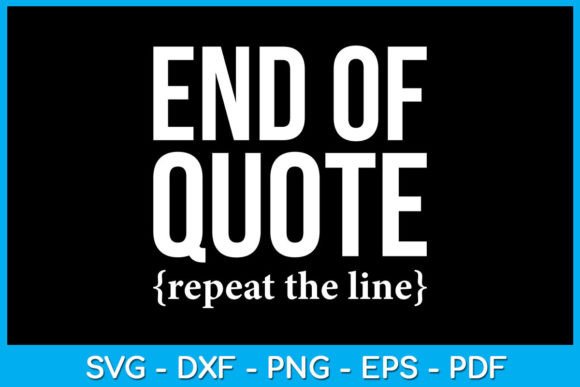
End of Quote Repeat the Line Vol. 5 Review
When I evaluate a new machine embroidery design for my own studio or client work, I am rarely looking for just another pretty picture. I am looking for versatility, stitching clarity, and commercial viability. Recently, I took a closer look at End of Quote Repeat the Line Vol. 5, a digital asset categorized under Crafts and Graphics. While the description highlights its utility for decals, wall decoration, card making, and scrapbooking, my primary interest lies in how this translates to physical textile applications. As an experienced designer, I often find that digital vector files can be repurposed for embroidery with some careful planning. This review explores whether End of Quote Repeat the Line Vol. 5 holds up when moved from the screen to the hoop, specifically focusing on its potential for custom apparel, boutique merchandise, and personalized gifts.
First Impressions and Visual Personality
The moment you open the design file, the mood is immediately established. The title suggests a focus on typography and repetition, which is a powerful trend in modern handmade goods. Unlike complex pictorial designs that require high stitch counts and precise color changes, text-based designs rely heavily on legibility and font weight. End of Quote Repeat the Line Vol. 5 appears to offer a clean, structured aesthetic that fits well within the current market demand for minimalist yet impactful home decor and apparel.
From a design perspective, the layout feels balanced. The "repeat" aspect implies scalability, which is crucial for embroidery project planners who need to fit specific quotes into various garment sizes. Whether you are creating a small chest logo for a polo shirt or a large statement piece for a sweatshirt, the ability to repeat the line allows for creative composition. It creates a rhythm that draws the eye, making it an excellent choice for handmade product lines that aim for a cohesive brand identity. The visual personality is professional yet approachable, striking a balance that appeals to both hobbyists and serious Etsy seller entrepreneurs.
Real-World Application: From Screen to Stitch
To truly understand the value of this design, we must simulate its use in a real production scenario. Imagine preparing a batch of custom embroidered tote bags for a local craft fair or a small online shop. These items are staples for craft business owners because they have broad appeal. If I were to digitize or adapt elements of End of Quote Repeat the Line Vol. 5 for these totes, the repeating nature of the quote would wrap beautifully around the bag’s surface or run vertically down the center.
Consider also the niche of baby clothes and nursery decor. Parents love personalized items, and a gentle, repeated quote can serve as a meaningful message on a onesie, burp cloth, or blanket. In this context, the design’s clarity is paramount. If the lines are too thin or the spacing too tight, the final finished product may lose its impact after washing. However, if executed correctly, the design adds a layer of sophistication that elevates a simple cotton item into a premium gift. It works equally well for holiday embroidery projects, where seasonal greetings or cozy sentiments are in high demand during Q4.
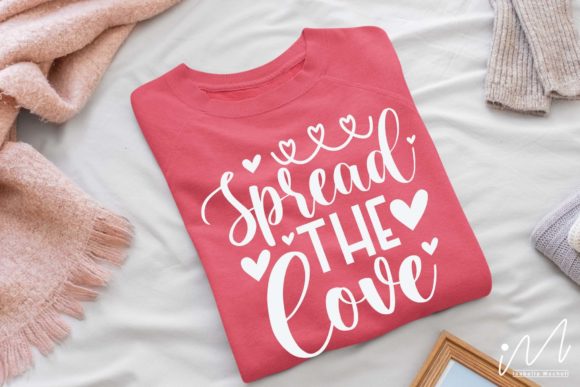
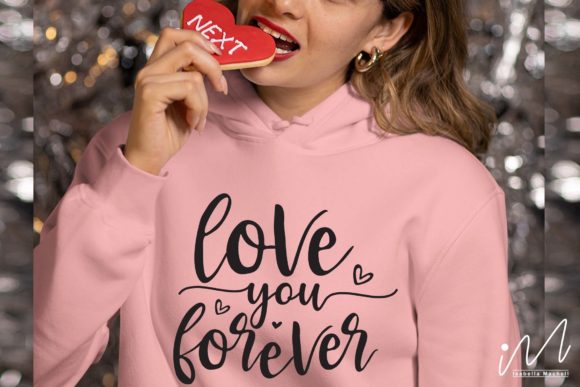
For custom apparel decorators, this design offers flexibility. It can be used on sweatshirts, t-shirts, and caps. The repeating line format allows for dynamic placement—perhaps wrapping around the collar or running along the hem. For small shop product creators, this versatility means one digital purchase can yield multiple SKUs, maximizing return on investment. The design assets provided are not limited to just one application; they are a toolkit for creativity.
Where Caution Is Required
While the design has strong potential, there are specific scenarios where End of Quote Repeat the Line Vol. 5 requires careful handling. Embroidery is a tactile medium, and certain fabrics pose challenges. If you plan to use this on textured fabrics like heavy waffle knits or bouclé, the fine details of the repeat may get lost. Similarly, stretchy fabrics such as jersey or spandex blends require a stabilizer strategy that ensures the design does not pucker. Without proper stabilization, even a simple text design can distort, ruining the professionalism of the final output.
Another area of concern is small hoop sizes. If the design includes tiny lettering or intricate decorative accents, attempting to stitch it in a very small hoop (under 4x4 inches) may result in muddy stitches. The needle density might become too high for the fabric to support, leading to thread breaks or holes in the material. Additionally, dark fabrics can sometimes swallow light-colored threads, reducing contrast. Always test the thread colors against your specific fabric choice before committing to a full production run. Curved surfaces, such as the front panel of a baseball cap, also demand precision; a flat design laid over a curve needs to be adjusted for distortion, or the text will appear warped to the customer.
Stitch Density and Technical Execution
As a reviewer, I cannot verify the exact stitch count or file formats without access to the raw source code, but I can advise on what to look for. When adapting this design for embroidery, pay close attention to the stitch density. Text-based designs often benefit from a combination of satin stitches for outlines and fill stitches for bold areas, though many modern fonts rely solely on dense fill patterns. Ensure that the transition between the repeated lines is smooth. Gaps in the stitching can look unfinished, while overly dense areas can make the fabric stiff and uncomfortable.
If you are using this as an applique design base, consider how the background fabric interacts with the top layer. Applique can hide minor imperfections in the underlying fabric texture, making it a safer choice for difficult materials. For those using pure satin stitch or running stitch techniques, ensure your machine is calibrated for consistent tension. Inconsistent tension is the enemy of clear text, causing loops or bird nesting that ruin the visual appeal of the piece.
Commercial Viability and Brand Consistency
For commercial embroidery users, the licensing terms are critical. Before selling any finished items, confirm that the digital file allows for commercial use. Many graphic designers sell their work for personal use only, so verifying the license protects your business from legal issues. Assuming the license permits it, End of Quote Repeat the Line Vol. 5 can be a strong addition to your design assets library.
Consistency is key in building a brand. Using a recognizable, well-executed design style across your product line—from tote bag design variations to matching pillow covers—helps customers identify your work. A high-quality embroidered patch featuring this design can serve as a badge of authenticity on your garments, adding perceived value. Buyers are more likely to trust a seller whose products show attention to detail, such as clean edges and appropriate thread choices. This design, when executed well, signals that care was taken in its creation.
Practical Designer Notes for Success
Before incorporating End of Quote Repeat the Line Vol. 5 into your workflow, follow these practical steps:
- Test on Scrap Fabric: Never go straight to the final garment. Use a scrap piece of the same fabric type to check how the design behaves.
- Check Hoop Size: Ensure your machine’s hoop size accommodates the largest iteration of the design you intend to produce.
- Review Stitch Density: Zoom in on the digital preview. Are the lines too close together? Will they merge during stitching?
- Use Proper Stabilizer: Choose a cut-away or tear-away stabilizer based on the fabric’s weight and stretch.
- Black and White Mockups: View your design in grayscale to ensure sufficient contrast between the thread and the fabric.
- Confirm Licensing: Read the fine print regarding digital product sellers and resale rights.
In conclusion, End of Quote Repeat the Line Vol. 5 is a versatile and stylish option for designers looking to expand their repertoire. Its strength lies in its adaptability across various mediums, from wall art to wearable fashion. By paying attention to technical details like stitch density and fabric compatibility, you can transform this digital graphic into a stunning embroidered patch or sweatshirt embroidery that delights customers and drives sales. It is a smart investment for any maker seeking to blend typographic trends with the timeless appeal of handcrafted textiles.