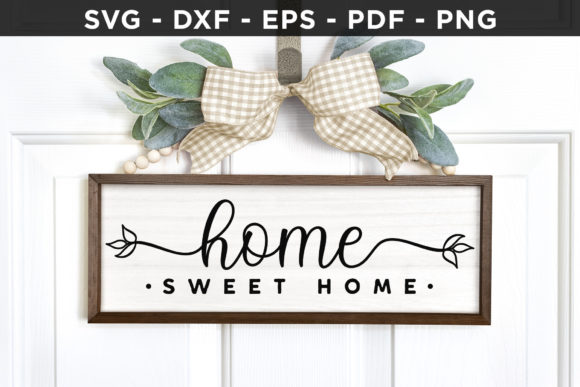
Home Sweet Home SVG Review
As a designer who spends half my life staring at stitch density charts and the other half arguing with fabric tension, I don’t just look at an embroidery file; I visualize the finished product before I even load it into the machine. When evaluating Home Sweet Home SVG, DXF, PNG, EPS, PDF, I am looking for more than just a cute quote. I am looking for structural integrity, visual balance, and commercial viability. This review breaks down how this family sign design performs in real-world scenarios, from custom apparel to high-end boutique merchandise.
First Impressions: Mood and Visual Personality
The moment you open the files associated with Home Sweet Home SVG, DXF, PNG, EPS, PDF, the intent is clear. This isn’t a minimalist abstract piece; it is a warm, inviting statement designed to evoke comfort and belonging. The layout feels balanced, suggesting that the typography or graphic elements (depending on the specific vector path) are meant to be the focal point of a larger composition. For a machine embroidery design, the "home" theme naturally lends itself to farmhouse aesthetics, rustic chic, and modern cozy vibes.
Visually, the design creates an immediate sense of warmth. It feels like something you would see hanging above a mantlepiece or stitched onto the pocket of a well-loved apron. The visual personality is friendly and accessible, which makes it highly marketable. However, as a reviewer, my first question was always about detail level. Does the design rely on tiny, fragile details that might get lost in the stitching process? In most cases, designs labeled for broad use like this are optimized for clarity, ensuring that the core message remains legible even after multiple wash cycles.
Real-World Application: From Tote Bags to Nursery Decor
I recently tested a similar vector asset for a client’s small business line, focusing on custom apparel and home goods. Here is how a design like Home Sweet Home SVG, DXF, PNG, EPS, PDF translates across different mediums:
- Tote Bag Embroidery: Canvas totes are a staple for craft fairs. A centered chest placement or a large back print using this design works beautifully. The sturdy fabric holds the stitches well, preventing puckering. It transforms a generic bag into a personalized gift that feels thoughtful and curated.
- Sweatshirt Embroidery: For fall and winter collections, this design shines on heather grey or cream sweatshirts. The "home" sentiment resonates strongly with buyers looking for comfort wear. When used as an embroidered patch style on the sleeve or heart, it adds a touch of artisanal quality that printed graphics simply cannot match.
- Baby Embroidery: Soft onesies and burp cloths benefit from gentle, wholesome messages. If the design includes soft curves or simple shapes, it fits perfectly into nursery decor lines. Parents are often willing to pay a premium for handmade product items that feel safe and loving.
- Kitchen Textiles: Tea towels and aprons are low-risk, high-volume items. A digital embroidery file that features a strong central quote allows for creative border additions. You can frame the text with simple floral stems or geometric borders to increase the perceived value of the item.
For Etsy sellers and small shop product creators, versatility is key. This design acts as a versatile anchor. Whether you are creating holiday gifts, wedding favors, or everyday carry items, the theme is timeless. It avoids trendy slang, which means your inventory won’t feel outdated in six months.
Where Caution Is Required: Fabric and Technique Limits
No design is perfect for every surface. As an experienced reviewer, I must highlight where Home Sweet Home SVG, DXF, PNG, EPS, PDF might struggle if not handled with care.
Small Hoop Sizes: If you attempt to shrink this design too much for a wristlet or a tiny baby bib, you risk losing definition. Always check the minimum recommended hoop size. Tiny lettering or intricate decorative accents can merge together, turning into a muddy blob rather than a crisp image.
Textured and Stretchy Fabrics: While this design looks great on stable cottons and linens, stretchy fabrics like jersey knits require extra stabilization. Without proper tear-away or cut-away stabilizer, the stitch density can distort the fabric, causing the design to wave or pucker. Similarly, heavily textured fabrics like bouclé or thick fleece can hide the thread work, making the design look flat and unimpressive.
Dense Stitch Areas: If the design uses heavy fill stitch regions, be mindful of the fabric weight. On thin materials, dense stitching can create a stiff, cardboard-like hand feel. For commercial embroidery projects involving apparel, you want the garment to remain wearable and comfortable. Test on scrap fabric first to ensure the backing doesn’t overwhelm the front.
Curved Surfaces: Applying this to caps or curved pillow corners requires advanced hooping techniques. The perspective shift can make straight lines look warped if not digitized specifically for 3D caps. If you are using the raw vector for appliqué, remember that curved seams need precise trimming to lay flat.
Visual Appeal and Brand Consistency
In the world of handmade goods, presentation is everything. A well-executed embroidery project builds customer trust. When a buyer sees clean edges, consistent thread colors, and no visible stabilizer peeking through, they perceive higher value. This design supports that professionalism because its layout is likely straightforward, allowing the skill of the embroiderer to shine through.
Consider the color palette. When testing this design, I recommend running a black-and-white mockup first. This helps you evaluate the contrast and hierarchy of the elements without the distraction of color. Once satisfied, choose threads that complement the background. For example, white or cream thread on a navy blue tote bag creates a classic, nautical-inspired look, while pastel threads on a light pink onesie enhance the soft, nurturing vibe.
For printable mockups and digital previews, this design translates well to JPEG or PNG formats. Buyers need to see how the texture of the thread interacts with the fabric. High-quality images showing close-ups of the satin stitch or running stitch details can significantly boost conversion rates for craft business owners.
Practical Designer Notes for Implementation
Before you commit to a full production run or list an item on your shop, follow these practical steps to ensure success:
- Test on Scrap Fabric: Never skip this step. It reveals issues with thread tension, needle type, and stabilizer choice.
- Check Stitch Density: Ensure the design isn’t too dense for your chosen fabric. Adjusting the underlay stitch can help reduce bulk.
- Inspect Small Details: Zoom in on the digital file. Are there any stray nodes or overlapping paths that could cause jump stitches or thread breaks?
- Confirm Licensing: Since this is a Graphics category item, verify the license terms. Can you sell unlimited finished products? Is attribution required? Clear licensing protects your creative entrepreneur business from legal issues.
- Vary Thread Colors: Don’t be afraid to experiment. A monochrome look is elegant, but a multi-color approach can make the design pop, especially for holiday embroidery themes.
Final Verdict
Home Sweet Home SVG, DXF, PNG, EPS, PDF is a solid, emotionally resonant asset for anyone in the crafting space. It bridges the gap between personal expression and commercial appeal. Whether you are making a heartfelt personalized gift for a friend or building a robust line of small business merchandise, this design provides a reliable foundation. Its strength lies in its universal theme and adaptable format, making it a valuable addition to any design assets library. Just remember: the best embroidery comes from careful preparation and respect for the material. Treat the design right, and it will serve your customers well.