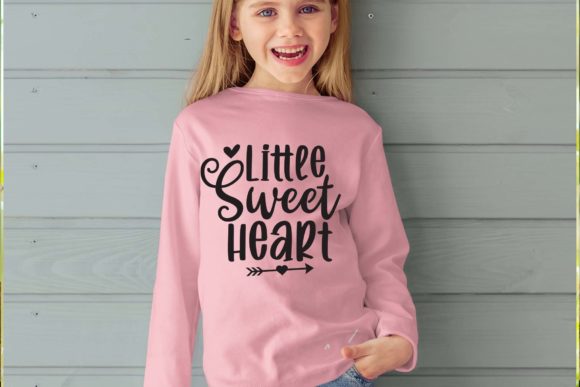
Little Sweet Heart Svg Review
As a designer who spends more time than I care to admit staring at stitch patterns and debating thread tension, I don’t just buy designs because they look cute on a screen. I buy them because they translate well into physical form. When I first encountered the Little Sweet Heart Svg, my initial reaction was one of cautious optimism. In a market saturated with generic heart motifs, finding a design that balances simplicity with enough visual interest to stand out in a crowded Etsy shop or craft fair booth is rare. This isn't just another clip-art heart; it’s a foundational element for a brand or a meaningful personal gift.
The mood this design creates is immediately warm and nostalgic. It feels like something you’d find tucked into a handmade card or stitched onto the corner of a child’s blanket. The layout is clean, which is exactly what we want in machine embroidery. Complex, overly detailed designs often get lost in the fabric texture or require excessive trimming, but the Little Sweet Heart Svg suggests a streamlined approach. It relies on strong shapes rather than intricate, fragile details that might snag during the finishing process. For anyone looking to create a cohesive line of handmade products, this kind of reliable, versatile graphic is gold.
Real-World Application: From Screen to Stitch
I recently put this design through its paces while preparing a batch of custom gifts for a client’s boutique. The goal was to create a set of personalized baby items—specifically, small muslin blankets and hooded towels. The Little Sweet Heart Svg proved to be an excellent candidate for this application. Because the design allows for easy resizing within appropriate software, I could scale it down perfectly for the cuff of a towel or enlarge it slightly for the center of a blanket without losing integrity.
When I transferred the file to the hoop, the first thing I noticed was how forgiving the shape is. Whether used as a standalone motif or paired with simple text, it anchors the composition beautifully. I tested it on both white cotton and a soft pastel pink jersey knit. On the white cotton, the contrast was crisp, allowing the stitches to pop. On the darker, stretchy jersey, I had to be mindful of the stabilizer choice, but the result was still professional. The design doesn’t demand extreme precision in every tiny corner, which makes it ideal for beginners and seasoned pros alike who need speed without sacrificing quality.
This versatility extends beyond baby items. I also mocked up the design for a sweatshirt embroidery project intended for a holiday collection. Placed over the heart area, the Little Sweet Heart Svg offered a subtle, understated elegance that appealed to adults who prefer minimalism over loud graphics. It works equally well for custom apparel targeting teenagers or young adults who appreciate "quiet luxury" aesthetics in their casual wear. The ability to change colors easily means you can adapt this single digital asset for different seasons—pastels for spring, bold reds for Valentine’s Day, or muted tones for everyday wear.
Where Caution Is Required
However, no design is perfect for every scenario, and as a reviewer, I believe it is crucial to highlight where the Little Sweet Heart Svg might struggle. While the main shape is robust, if the design includes tiny lettering or very fine decorative accents, those specific elements require careful attention. On textured fabrics like terry cloth or heavy denim, small details can disappear or become muddy. If you are planning to use this for an embroidered patch that will be ironed or sewn onto a cap, ensure the background fabric is stable. Stretchy fabrics like spandex blends can distort the heart shape if not stabilized properly, leading to a wavy, unprofessional finish.
Additionally, consider the hoop size limitations. While the design is scalable, extremely small hoop sizes (under 4x4 inches) might compress the visual balance if the design has wide negative space. Always test on scrap fabric first. I recommend running a black-and-white mockup of the design before cutting threads to check the visual weight. Does the heart feel too heavy on one side? Does the spacing allow for adequate stitch density without puckering the fabric? These questions are vital for maintaining brand consistency and ensuring customer trust.
Design Notes for the Serious Crafter
For those of us running a craft business or selling on platforms like Etsy, the efficiency of a design file is just as important as its aesthetic. The fact that this comes in multiple formats, including SVG and DXF, offers flexibility. You aren’t locked into a single workflow. If you are using a cutter for applique, the SVG path is clean. If you are digitizing for machine embroidery, the vector base provides a clear roadmap for setting up your stitch density and choosing appropriate thread colors.
One critical aspect to verify is the licensing. Before listing any finished items for sale, confirm whether the purchase grants commercial rights for the physical goods you produce. Many designers sell these assets under licenses that permit limited sales or require attribution. As a digital product seller or Etsy seller, protecting your intellectual property and respecting the creator’s terms is non-negotiable. Do not assume you can resell the raw file; focus on the value you add through your stitching, presentation, and branding.
Another practical tip involves the choice of stabilizer. For lightweight fabrics, a cut-away stabilizer is often necessary to prevent the Little Sweet Heart Svg from pulling the material out of shape over time, especially after washing. For heavier fabrics like canvas tote bags, a tear-away might suffice for a one-time event, but a cut-away ensures longevity. This attention to detail elevates a simple heart design into a premium finished product. Customers notice when a garment doesn’t pucker after a wash cycle, and that perception directly impacts your reviews and repeat business.
Visual Appeal and Market Fit
From a marketing perspective, the Little Sweet Heart Svg hits several key emotional triggers. It is inherently giftable. People buy hearts for anniversaries, birthdays, graduations, and expressions of love. By offering this design on high-quality items like aprons, pillow covers, or kitchen towels, you are tapping into a market that values sentimentality. A kitchen towel with a subtle embroidered heart feels like a thoughtful housewarming gift, whereas a mass-produced version lacks that personal touch.
The design also lends itself well to holiday embroidery themes. While hearts are synonymous with February, they are also used in weddings, Mother’s Day, and even as general symbols of gratitude throughout the year. This broad applicability means your inventory doesn’t sit stagnant. You can rotate the color palette to match current trends—think dusty rose for modern boho styles or classic crimson for traditional looks. The clean lines of the design ensure it remains timeless rather than trendy, which is a smart investment for long-term design assets.
In conclusion, the Little Sweet Heart Svg is a solid addition to any designer’s library. It is not overly complicated, which reduces production time and error rates, yet it carries enough charm to engage customers. It works beautifully for baby embroidery projects, adds a personal touch to personalized gifts, and serves as a reliable foundation for commercial embroidery ventures. Just remember to respect the fabric, choose the right stabilizer, and always prioritize the final tactile experience of the wearer. When executed correctly, this simple design can yield professional results that speak volumes about your craftsmanship.
Whether you are a hobbyist making a special present or a small shop owner scaling up production, this file offers the flexibility and aesthetic appeal needed to succeed. Test it thoroughly, experiment with different thread types to see how light reflects off the stitches, and watch how your audience responds to the warmth and simplicity it brings to your creations.